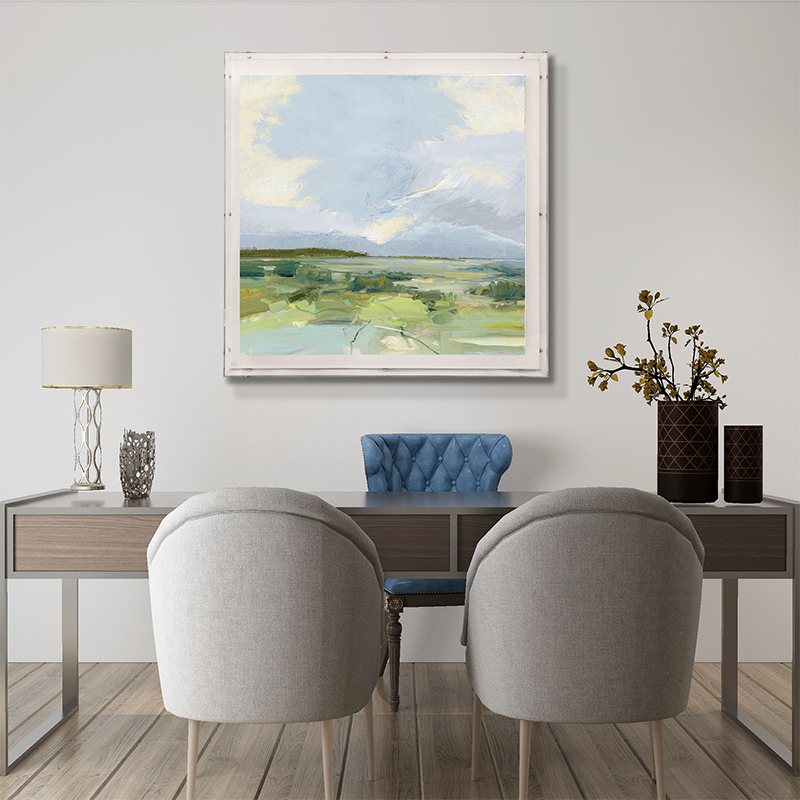
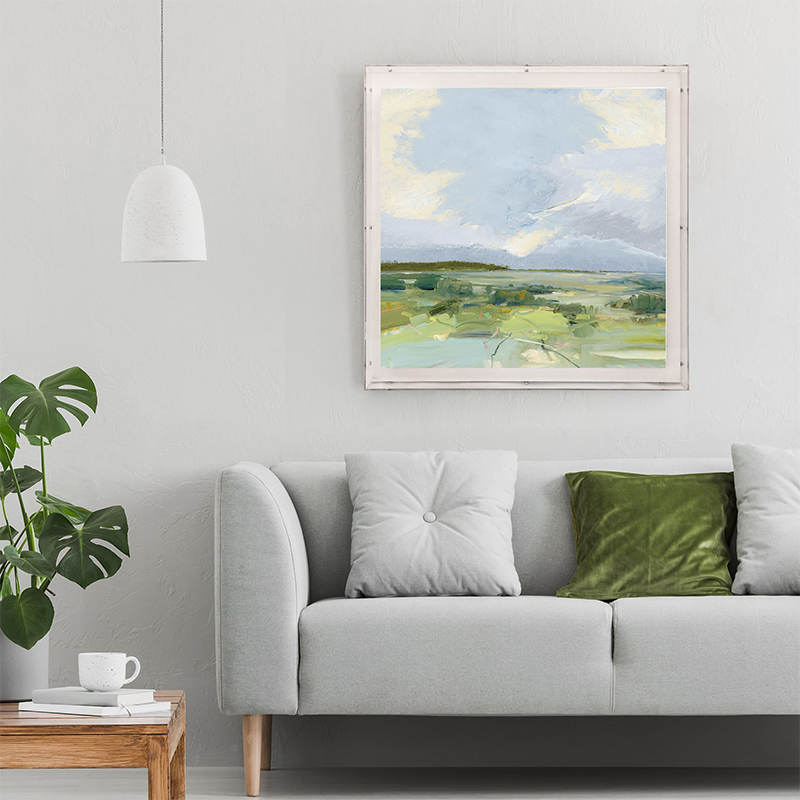
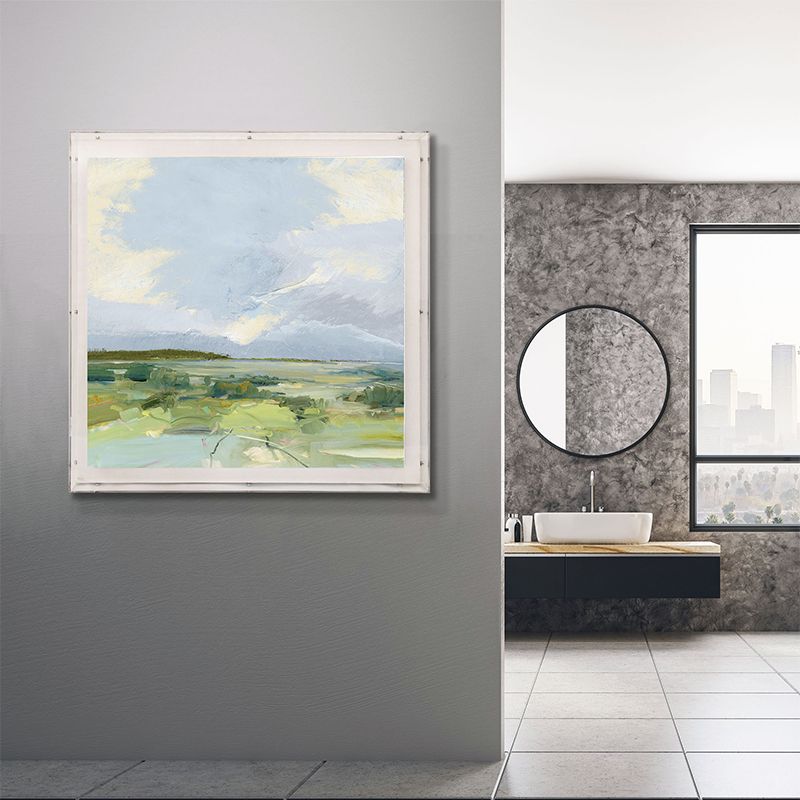
Fast-Drying · High Saturation · Infinite Possibilities — The Modern Artistic Magic of Acrylic Painting
Publish Time: 2025-12-23
In the diverse landscape of contemporary painting, acrylic painting has rapidly evolved from an experimental medium in the mid-20th century to a top choice for artists, designers, and art enthusiasts worldwide, thanks to its unique material properties and expressive power. It is neither the ethereal lightness of traditional watercolor nor the heavy, slow process of oil painting. Instead, it carves a new path between "fast-drying" and "high saturation" that combines efficiency with expressive potential. More importantly, the chemical plasticity of acrylic paint grants creators an almost "limitless" range of techniques—from realistic portraits to abstract graffiti, from monumental murals to miniature illustrations. Acrylic painting is reshaping our understanding of color, texture, and creative freedom with its irresistible modern artistic magic.
Fast-Drying Nature: Liberating the Creative Rhythm, Inspiring Spontaneous Expression
One of the most notable advantages of acrylic paint is its extremely rapid drying time. At room temperature, a thin layer typically dries to the touch in 5–15 minutes, while thicker applications can set within hours. This characteristic completely transforms the traditional oil painting process, which often requires days or even weeks of waiting between layers. It enables artists to achieve multiple layers, corrections, and detailed work in a single session. For street artists, fast-drying means efficiently completing large-scale murals in public spaces; for illustrators or concept designers, it supports rapid iteration of sketches and color schemes; and for beginners, immediate feedback greatly reduces the cost of experimentation and builds creative confidence.
Furthermore, the fast-drying quality fosters a unique "aesthetics of time"—each brushstroke is fixed once applied, unlike oil paint which can be blended or reworked. This encourages more decisive and precise execution, resulting in a distinct brushstroke language. This "irreversible" trait unexpectedly aligns with contemporary art’s pursuit of authenticand process.
High-Saturation Color: A Natural Engine for Visual Impact
Acrylic paint is made from high-concentration pigments suspended in an acrylic polymer emulsion. Its color purity and saturation surpass those of watercolor and even exceed traditional oil paints in certain hues. Once dry, the colors show minimal darkening or shifting, remaining vibrant over time. This "what you see is what you get" color stability gives acrylic painting a particular advantage in the digital age—whether used in branding, pop art, or social media, its highly recognizable colors can instantly capture the viewer's attention.
Additionally, acrylics can be easily mixed to create fluorescent, metallic, or pearlescent effects. When used with tools like airbrushes, sponges, or palette knives, they can produce gradients, splatters, textures, and other rich visual layers, greatly expanding the expressive range of color.
Infinite Possibilities: Cross-Media Integration and Technical Freedom
If "fast-drying" and "high saturation" are the two wings of acrylic painting, then "infinite possibilities" is its soul. Acrylic paint is essentially a water-based plastic polymer, meaning it can be diluted with water but dries to form a waterproof, flexible film. This dual nature opens up unprecedented creative boundaries:
Strong Media Compatibility: Acrylics can be applied directly to canvas, wood, paper, glass, metal, ceramics, and even fabric, often without complex priming. Many contemporary artists combine acrylics with collage, photography, or digital prints to create mixed-media works.
Vast Technical Range: By adding various mediums, acrylics can mimic the transparency of watercolor, the heavy impasto of oils, the washes of ink, or even smooth, resin-like fluid effects. They can be applied in thick layers up to several centimeters without cracking, or in thin, mist-like glazes.
Durability and Eco-Friendliness: Once dry, acrylic film is UV-resistant, less prone to yellowing, and moisture-resistant, making it suitable for long-term preservation. It also contains no volatile organic compounds (VOCs), making it safer and more environmentally friendly than oil paints—ideal for home or classroom use.
From Studio to Public Space: Contemporary Applications of Acrylic Painting
The practicality of acrylic painting has long taken it beyond galleries and into daily life. In urban renewal projects, acrylics are a primary medium for murals—their fast-drying nature suits outdoor timelines, and their strong adhesion withstands weather. In fashion and product design, hand-painted acrylics are used to customize sneakers, phone cases, and furniture surfaces. In educational and therapeutic settings, their low barrier to entry and high tolerance for mistakes make them ideal tools for art therapy and children’s art education.
Notably, in an era of rising digital art, acrylic painting has not faded but has instead become a cultural anchor valuing "tactile presence" and "handcrafted warmth" against virtualization. Many NFT artists still create an original acrylic work before releasing a digital version, emphasizing the irreplaceability of materiality.
The charm of acrylic painting lies in its dual identity as both a tool and a philosophy—it encourages action over waiting, embraces change over rigidity, and promotes fusion over division. It does not cling to classical rules nor blindly follow digital trends. Instead, it builds an open, inclusive, and dynamic creative space between speed and patience, virtual and real, tradition and innovation.