Wood Panel Art: The Poetic Fusion of Natural Grain and Artistic Creation
Publish Time: 2025-11-11
At the intersection of contemporary art and home aesthetics, wood panel art is quietly emerging with its unique material language. It is neither the lightness and elegance of traditional paper-based painting nor the heavy impasto of canvas oil painting. Instead, it uses a raw, uncut or roughly sanded wood plank as its canvas, allowing the artist's brushstrokes to engage in a silent dialogue with the wood's own annual rings, knots, cracks, and textures. This creative approach is not only a respect for the material but also a poetic fusion of Eastern philosophy—embracing nature and imperfection—and Western expressionism. Within the undulations of the wood grain, art is no longer a master dominating the material but a living entity that coexists and dances with it.
1. Wood: The Natural Canvas with Inherent Narrative
Every piece of wood is a silent history of nature. The rugged cathedral grain of oak speaks of the harsh frosts of Nordic forests; the fine, straight grain of poplar reflects tranquil times along riverbank groves; while the wormholes and fissures in old elm wood etch the marks of passing years. These natural textures are not flaws but the unique "fingerprints" of the wood, providing an irreplicable foundation for artistic creation. Before applying brush to panel, artists often contemplate the wood intently, observing the direction of its grain, variations in color, and structural rhythm, then proceed accordingly—either using negative space to highlight the inherent rhythm of the wood grain or employing color to amplify its intrinsic mood. Much like the "wabi-sabi" aesthetic in Japanese culture, which venerates the beauty of imperfection, the charm of wood panel art lies precisely in accepting and elevating the material's raw state, finding a delicate balance between human artistry and natural craftsmanship.
2. Blended Techniques: Multidimensional Expression through Carving, Painting, and Collage
The artistic language of wood panel art is immensely rich. In traditional forms, artists apply acrylics, mineral pigments, or ink directly onto the wood, utilizing its absorbency and surface roughness to create textural layers distinct from paper or canvas. In contemporary practice, many creators incorporate carving, burning, collage, and even digital transfer techniques. For instance, shallow relief carving can outline forms, making images appear to "grow" from the material; or locally charring the surface with fire creates alternating shades of scorch marks, lending a sense of time and mystery to the artwork. Some artists assemble pieces of different wood species to form a montage of colors and textures, upon which they then paint abstract symbols, constructing a dual experience of visual and tactile sensation. This cross-media exploration allows wood panel art to transcend flat surfaces, occupying a "third space" between painting and sculpture.
3. Environmental Sustainability: The Green Shift in Artistic Creation
Against the global backdrop of advocating for sustainability, wood panel art inherently carries an eco-friendly gene. Many creators choose reclaimed wood from old furniture, construction waste, or forestry by-products as their raw materials, giving discarded wood a second life. This practice of "transforming waste into art" not only reduces resource consumption but also communicates a reverence for nature and the principles of circularity. Furthermore, natural wood itself is biodegradable, and when combined with non-toxic water-based paints and plant-based adhesives, the entire artwork maintains a low environmental footprint from creation to end-of-life. For modern consumers who value quality of life and ecological responsibility, a piece of wood panel art is not merely a decorative item but a declaration of values.
4. The Textural Anchor in Home Aesthetics
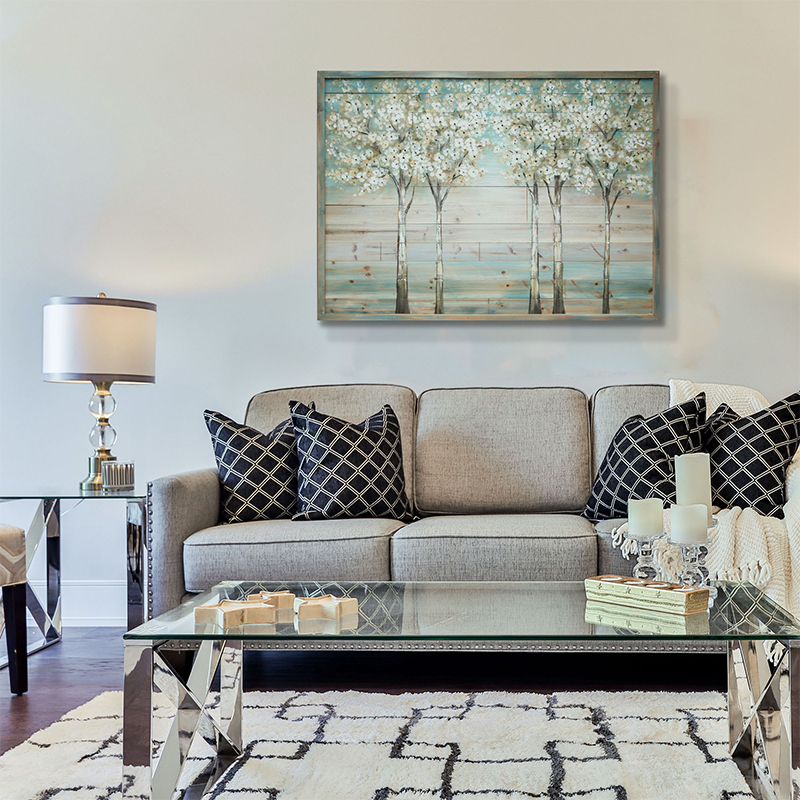
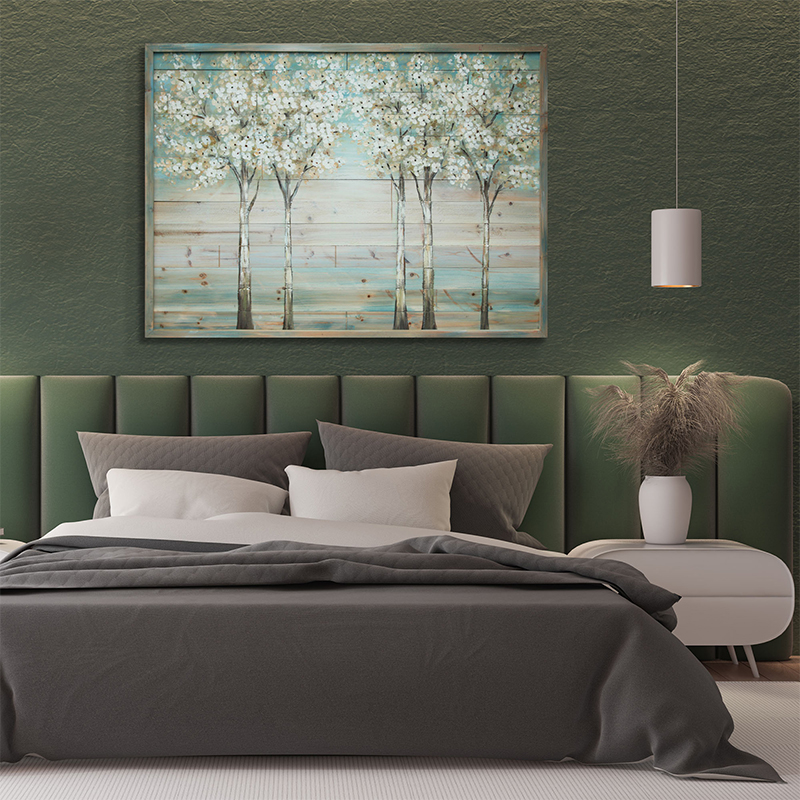
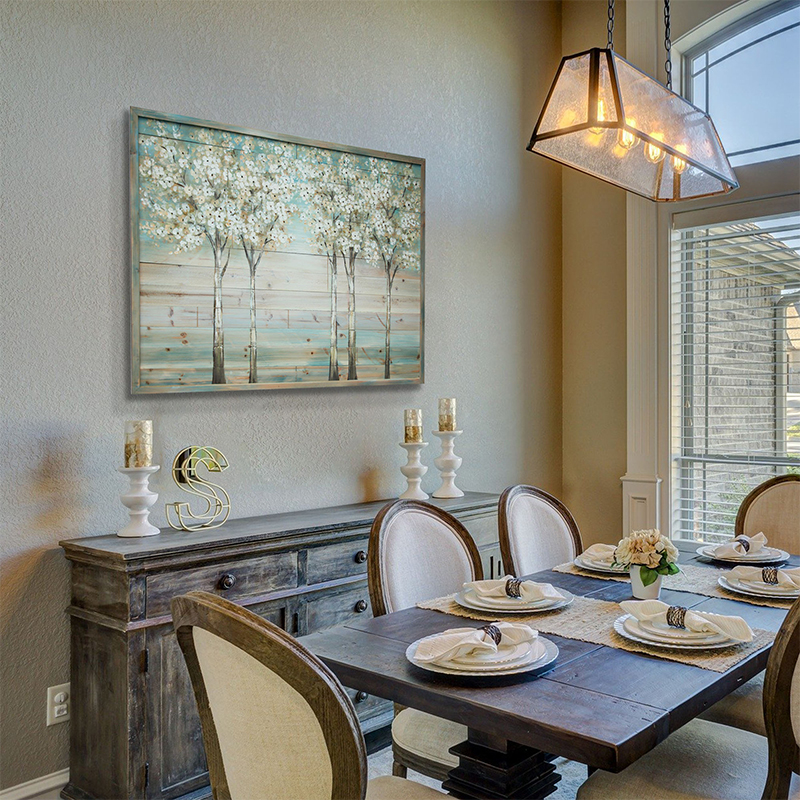
In mainstream interior design styles such as Minimalism, Wabi-Sabi, Scandinavian, or New Chinese, wood panel art, with its warm and rustic character, serves as a key element for enhancing spatial warmth. It lacks the starkness of glass or metal decorations and is less prone to dust accumulation or fading compared to fabric wall art. The natural hues of wood blend softly into various color schemes, while its three-dimensional texture changes with light and time, injecting dynamic vitality into a space. Particularly in cooler environments featuring concrete walls, white painted surfaces, or marble countertops, a piece of handcrafted wood panel art acts like a ray of warm sunlight, instantly dissolving the sense of alienation brought by industrial aesthetics.
The essence of wood panel art is a collaborative creation between humanity and nature. The artist provides intention and skill; the wood contributes history and soul. The two reach a reconciliation where blade and brush meet. It reminds us that true beauty need not be flawless—it lies in authenticity, uniqueness, and story. In this era saturated with digital images, an artwork carrying the scent of wood and a sense of warmth might just be the poetic dwelling where we reconnect with the earth, touch time, and settle our minds.